Tracing Seasonal Fluctuations in Reward Distribution Algorithms for Wireless Reel and Table Interfaces Across Global Networks

Seasonal patterns influence how reward distribution algorithms operate in wireless reel and table game systems that span multiple continents and operator networks. These algorithms process location data, player activity logs, and historical performance metrics to adjust bonus frequencies, prize pool allocations, and payout structures on mobile devices and tablet interfaces. Research from network analytics firms shows clear variations that align with calendar events such as holiday periods, regional weather cycles, and major sporting calendars.
Algorithm Mechanics and Data Inputs
Reward systems rely on machine learning models that ingest inputs from millions of sessions across wireless networks. Variables include time-of-year markers, regional engagement rates, and device-specific metrics for reel-based slots alongside live dealer table streams. Operators configure these models to scale reward triggers during high-traffic windows while maintaining regulatory compliance thresholds set by oversight bodies in each jurisdiction.
During summer months in the northern hemisphere, certain networks register increased mobile session lengths that coincide with vacation periods, prompting algorithms to elevate bonus round probabilities for reel interfaces. In contrast, southern hemisphere operators observe parallel shifts six months later. Data collected through June 2026 continues to illustrate these mirrored patterns across connected platforms.
Regional Variations Across Global Networks
North American networks demonstrate pronounced spikes around major holidays including Independence Day and Labor Day, where reward distribution engines increase frequency of free spin allocations on wireless slots while adjusting table game rake structures to sustain engagement. European operators report similar adjustments tied to summer festivals and winter holiday seasons, with algorithms drawing from aggregated anonymized datasets shared through industry consortia.
Asia-Pacific networks follow distinct cycles linked to Lunar New Year celebrations and regional monsoon periods. Algorithms in these markets recalibrate jackpot seeding rates for both reel and table offerings to match documented activity surges. Observers note that cross-border data exchanges allow global operators to synchronize these adjustments without violating local rules.
Wireless Interface Specific Adaptations
Reel interfaces on smartphones and tablets receive priority weighting during seasonal peaks because session data reveals higher tap-through rates on bonus features. Table game interfaces incorporate additional variables such as dealer availability and stream latency, which algorithms factor into reward timing to prevent bottlenecks during peak hours. Studies indicate that combined reel and table ecosystems benefit from unified seasonal models that prevent resource conflicts across shared network infrastructure.
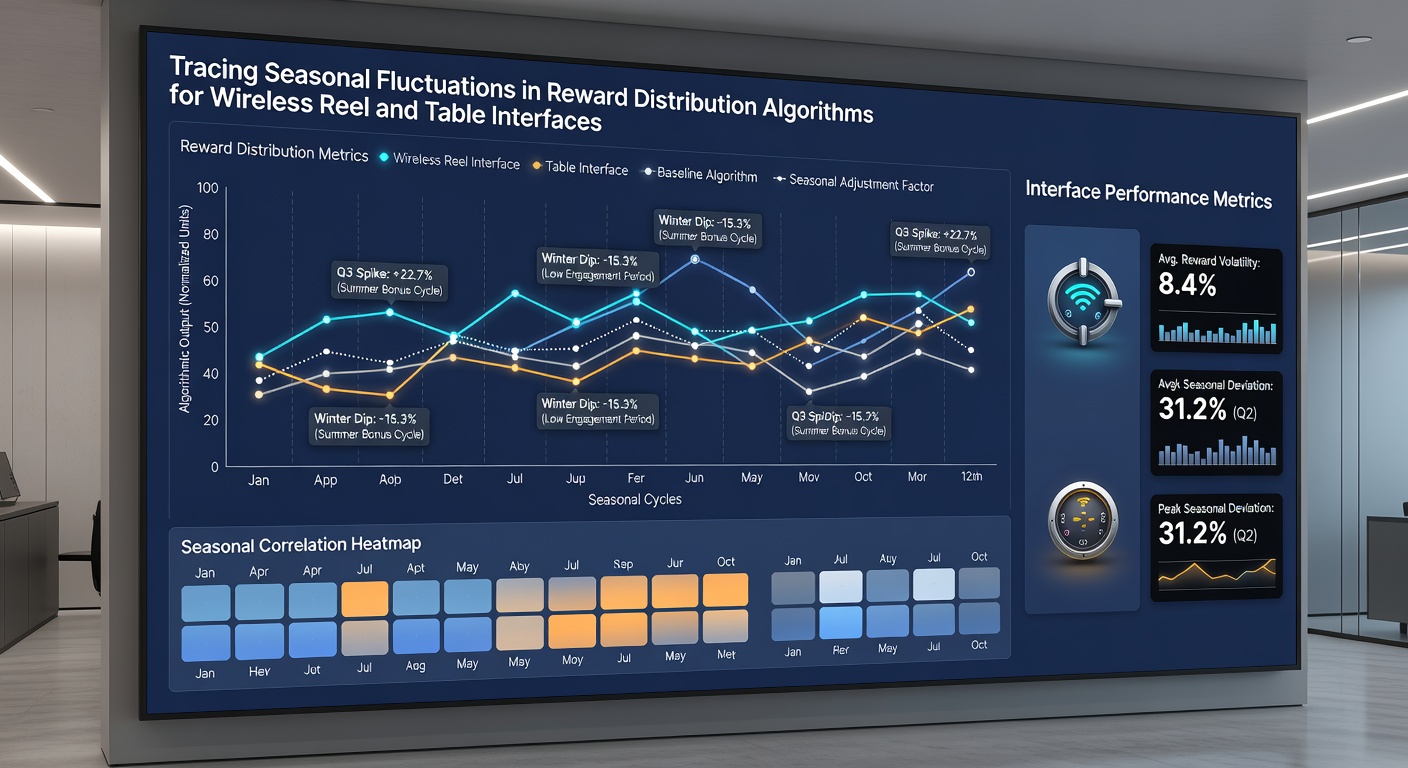
June 2026 monitoring reports highlight ongoing refinements in these models, particularly in markets where wireless penetration exceeds 85 percent of total gaming traffic. Adjustments occur through automated pipelines that test new parameter sets against control groups before full deployment.
Measurement and Validation Approaches
Validation relies on longitudinal datasets spanning multiple years. Analysts compare reward redemption rates, session retention curves, and cross-device migration patterns before and after seasonal parameter shifts. Regulatory filings from various jurisdictions document these validation processes, including periodic audits that verify algorithmic fairness remains consistent despite fluctuating reward volumes.
According to industry reports from the European Gaming and Betting Association, seasonal modeling accuracy has improved through incorporation of real-time weather and event data streams. Similar approaches appear in documentation released by Canadian provincial regulators and Australian state gaming authorities, each adapting core principles to local seasonal markers.
Network Infrastructure Considerations
Global networks must balance computational load when seasonal algorithms activate across distributed server clusters. Wireless reel sessions typically generate higher transaction volumes than table streams, requiring prioritized queuing during peak distribution windows. Observers tracking June 2026 traffic patterns report that predictive scaling prevents latency issues that previously affected reward delivery on tablet interfaces.
Operators employ A/B testing frameworks to measure impact of seasonal changes before network-wide rollout. Results feed back into the models, creating iterative improvements that account for emerging player behaviors observed in different geographic clusters.
Conclusion
Seasonal fluctuations in reward distribution algorithms reflect measurable responses to predictable activity cycles across wireless reel and table platforms. Continued data collection through mid-2026 supports refinement of these systems while maintaining transparency requirements imposed by diverse regulatory frameworks. The patterns documented so far provide operators with actionable baselines for future model updates.