Tracing Intersections Between Identity Verification Protocols and Sustained Engagement Across Digital Reel and Card Platforms in Regulated Markets
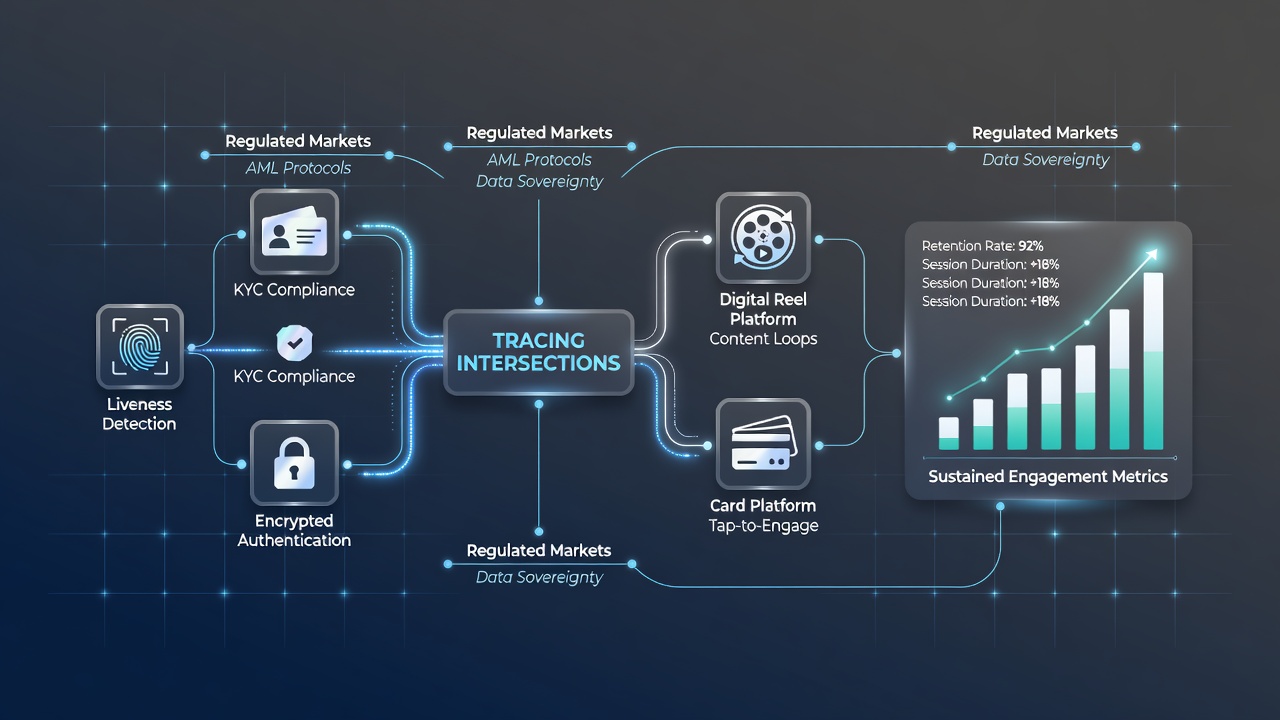
Regulated markets across multiple jurisdictions continue to refine identity verification protocols as operators seek to balance compliance requirements with user retention on digital reel and card platforms. These systems, which typically include document uploads, biometric checks, and address confirmations, intersect directly with how players maintain activity over extended periods. In July 2026 data from several North American and European regulators showed steady growth in verified accounts alongside measurable shifts in session lengths and repeat logins for both slot-style reel games and table card offerings.
Verification Requirements Shape Early Access Patterns
Operators in states like New Jersey and Michigan enforce strict onboarding sequences that require full identity confirmation before any real-money play begins. Research from academic institutions tracking user behavior indicates that platforms completing verification within the first session see higher rates of return visits compared to those with multi-day delays. Card game sections, which often demand higher deposit thresholds and additional age checks, experience slower initial uptake than reel-based titles, yet once verified users demonstrate longer average play durations across both formats. Data collected through mid-2026 reveals that seamless integration of verification tools with existing account dashboards reduces drop-off during the first seventy-two hours by measurable margins.
Regional Regulatory Approaches Create Different Engagement Curves
European frameworks, including oversight from bodies in Malta and the Netherlands, emphasize ongoing monitoring after initial approval, whereas certain U.S. state commissions focus verification efforts primarily at signup. Observers note that markets with periodic re-verification steps report steadier engagement across portable reel interfaces, while one-time processes correlate with sharper spikes followed by plateaus in card platform activity. A report issued by the Michigan Gaming Control Board highlighted how automated facial recognition paired with government ID scans contributed to sustained weekly participation rates exceeding those recorded in prior years. These patterns hold across multiple operator datasets even as overall market volumes fluctuate.
Technical Integration and Player Retention Metrics
Modern verification layers now connect directly to loyalty systems that track reel spin frequency and card table session counts. When players complete verification early, operators gain clearer signals for targeted retention campaigns such as personalized bonus structures or tournament invitations. Studies examining cross-platform behavior show that verified accounts on reel platforms maintain consistent daily logins at rates roughly twenty percent higher than unverified or partially approved profiles. Card enthusiasts, by contrast, demonstrate stronger correlation between verification speed and multi-week retention once they transition into live dealer environments. Industry reports compiled through the first half of 2026 illustrate these linkages without attributing causation to any single factor.
Data Correlations Across Reel and Card Formats
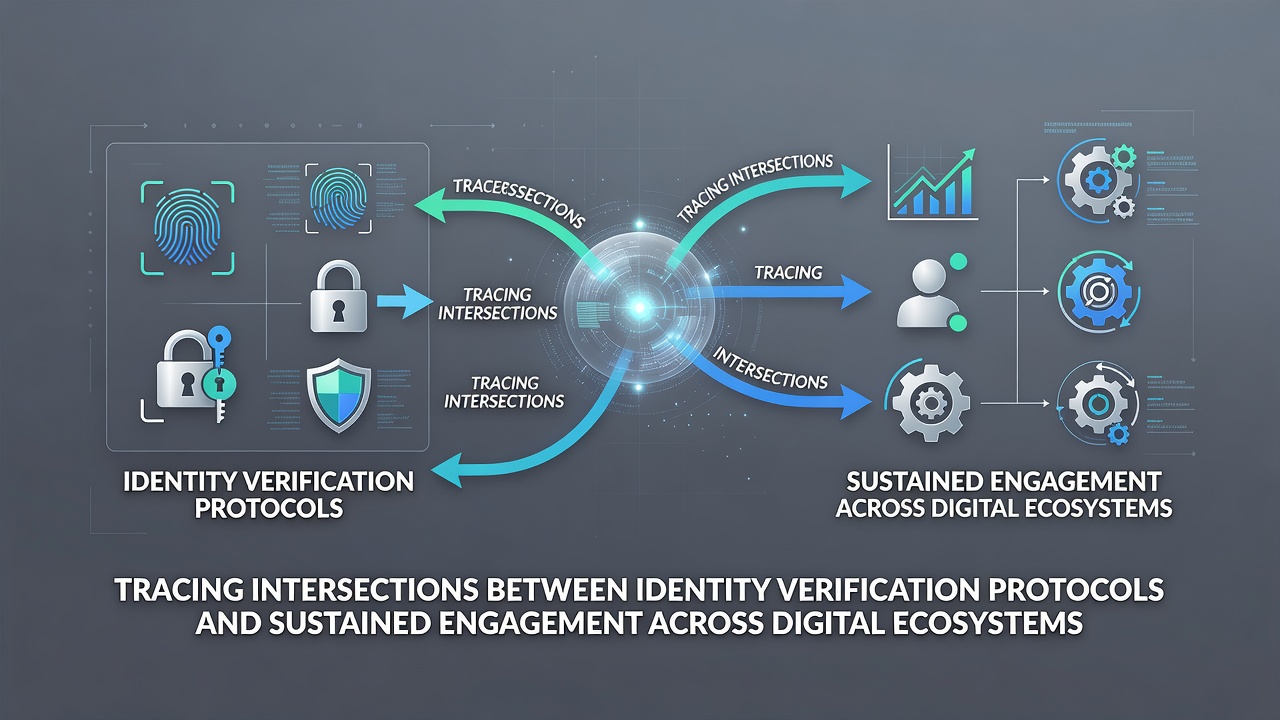
Analysis of transaction logs from regulated operators reveals that verification completion timing influences deposit frequency differently depending on game type. Reel platforms register quicker follow-up activity after verification, often within the same day, whereas card platforms see activity build over several sessions as players explore rule variations and table limits. Researchers at various universities examining anonymized datasets have documented that friction introduced during verification checkpoints tends to reduce long-term participation more noticeably in card environments than in reel ones. Yet platforms that embed verification prompts within gameplay tutorials rather than as separate barriers maintain higher cross-format transitions between reel and card offerings.
Future Protocol Adjustments and Market Responses
Regulatory updates scheduled for later in 2026 in several jurisdictions aim to standardize verification data sharing between operators while preserving player privacy. These changes could further streamline onboarding for users switching between reel and card platforms. Evidence from pilot programs already underway suggests that unified verification tokens reduce redundant document submissions and support steadier engagement curves across both game categories. Market participants continue to monitor how these protocol refinements interact with existing loyalty mechanics and session analytics to shape retention outcomes.
Conclusion
Identity verification protocols and sustained engagement metrics on digital reel and card platforms remain closely linked within regulated markets. Data gathered through July 2026 demonstrates consistent patterns where faster, integrated verification processes align with higher return rates and longer activity windows across both game types. Regulatory bodies and operators alike track these intersections to inform ongoing system improvements while meeting compliance standards in diverse geographic regions.