Tracing Currency Conversion Impacts on Session Lengths in App-Based Reel Games Alongside Interactive Table Formats Across Borderless Wagering Setups
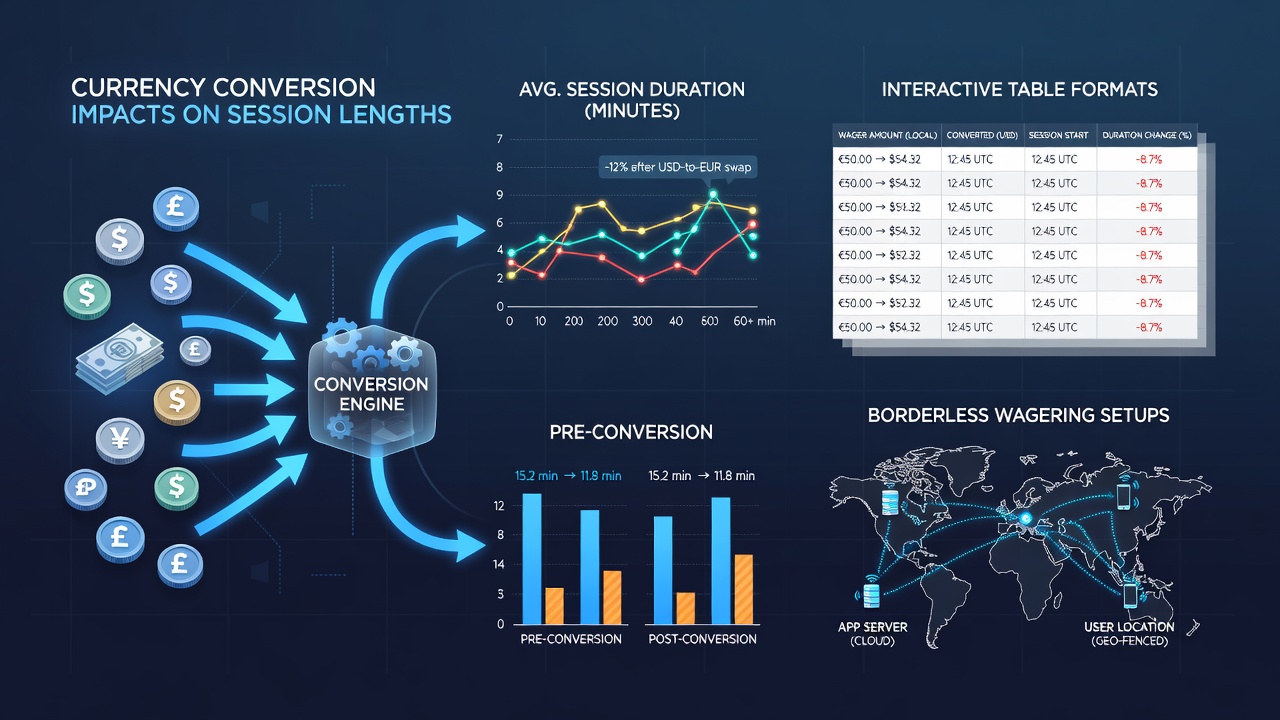
Borderless wagering setups rely on mobile apps that support reel games and interactive table formats while processing transactions across multiple currencies, and currency conversion plays a direct role in how long players remain engaged during sessions. Research from international gaming bodies shows exchange rate fluctuations combined with transaction fees alter player behavior patterns, particularly when apps handle real-time conversions for users operating outside their home currency zones.
Data collected across global networks in early 2026 reveals that higher conversion costs often correlate with reduced session durations in automated reel games, whereas interactive table formats demonstrate more resilience due to their social and strategic elements. Observers note that players in these environments frequently adjust their activity based on visible fee structures displayed within the app interface, and this adjustment becomes more pronounced during periods of market volatility.
Mechanics of Currency Conversion in Mobile Wagering Apps
App-based platforms integrate currency conversion tools that process deposits and withdrawals through third-party processors, which apply live exchange rates plus service fees ranging from 1 to 4 percent depending on the payment corridor. When users participate in reel games, the immediate impact appears in bet sizing and spin frequency because each transaction triggers a conversion that reduces available funds faster than anticipated. Interactive table formats, by contrast, allow players to observe ongoing rounds and interact with dealers or other participants, which tends to extend engagement even when conversion deductions occur.
Studies conducted by research institutions in multiple regions indicate that session lengths in reel game sections drop by an average of 12 to 18 minutes when conversion fees exceed 2.5 percent, while table game sessions maintain closer to baseline durations under similar conditions. This difference arises because table interfaces emphasize decision-making sequences and real-time interaction rather than rapid, repetitive actions typical of reel mechanics.
Session Length Patterns Across Game Types
June 2026 figures compiled from cross-border app operators highlight distinct trends between reel games and table formats in multi-currency environments. Reel game sessions averaged 22 minutes when conversion rates remained stable, yet dropped to 14 minutes during periods of wider bid-ask spreads on major currency pairs. Interactive table sessions held steady near 35 minutes across the same intervals because participants often factor in the social component and strategic pacing that offset minor fee impacts.
Those who've examined transaction logs across borderless networks report that players switch between game categories more frequently when conversion costs rise, moving from reel sections toward table formats to preserve longer engagement windows. This migration pattern appears consistently in apps serving users across North America, Europe, and Asia-Pacific corridors where currency pairs fluctuate daily.
Regional Data and Regulatory Observations
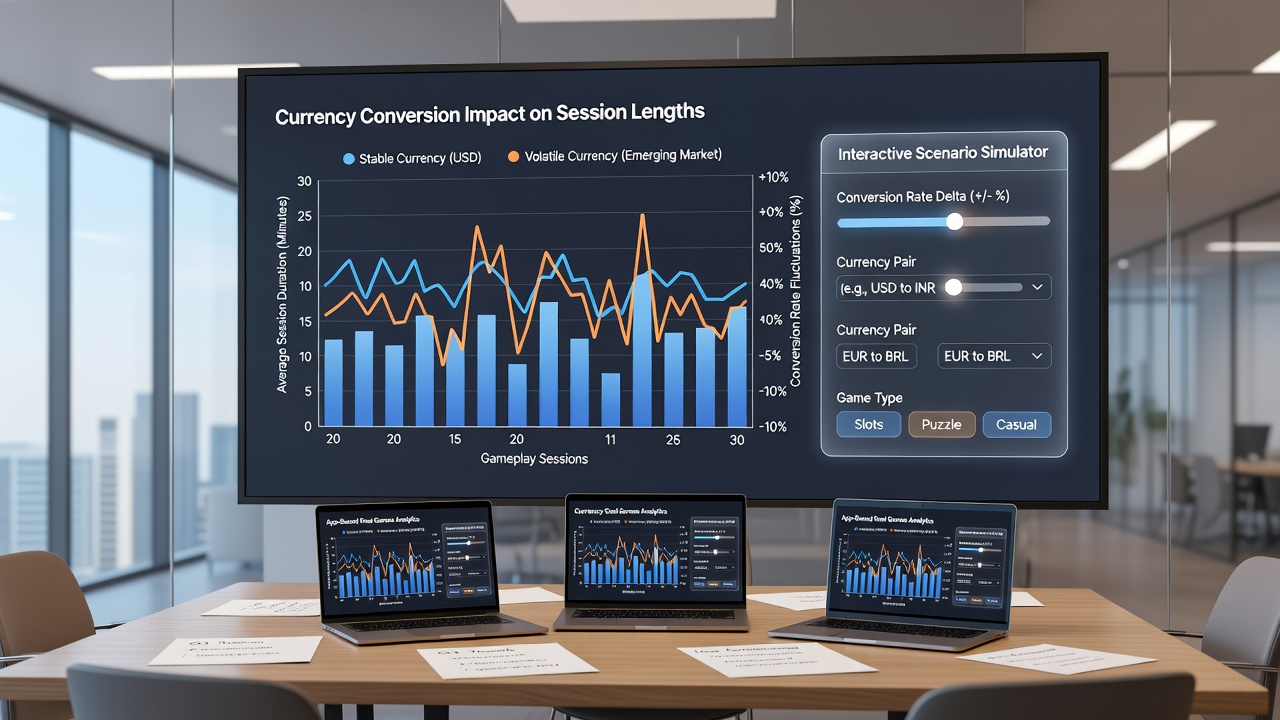
Regulatory agencies in different jurisdictions track these dynamics through required operator reporting, and evidence from the British Columbia Lottery Corporation shows that apps with transparent conversion calculators experience smaller session length reductions compared to those that bury fee information. Similar patterns emerge in data released by the Malta Gaming Authority, where operators noted that reel game engagement metrics improved when apps offered locked-in rates for short periods.
Analysts at academic centers focused on gaming behavior have documented that interactive table formats benefit from lower sensitivity to conversion variables because players commit to rounds that unfold over minutes rather than seconds. Reel games, built around quick cycles, register sharper drops when each spin carries an implicit conversion cost that accumulates rapidly.
Technological Adaptations by Operators
Platform developers have introduced features such as real-time rate displays and fee simulators within app dashboards to help users anticipate impacts before committing funds. These tools appear most effective in stabilizing session lengths for table formats, where players can plan participation around expected deductions. Reel game sections show partial improvement when operators provide conversion previews, yet the fast-paced nature of play still leads to quicker exits once fees become noticeable.
Operators serving borderless audiences continue to refine these systems, and current implementations include automatic selection of optimal currency routes based on user location and account history. Data from June 2026 indicates measurable stabilization in average session times for both game categories after such features rolled out across major apps.
Conclusion
Currency conversion remains an embedded factor in borderless wagering apps that influences session lengths differently across reel games and interactive table formats. Available evidence demonstrates that reel game engagement contracts more readily under fee pressure, while table formats retain duration through interactive elements and strategic pacing. Ongoing operator adjustments and regulatory monitoring continue to shape how these impacts manifest in user activity across global networks.