The Influence of Sound Design Elements on Duration of Play in Digital Slot Interfaces
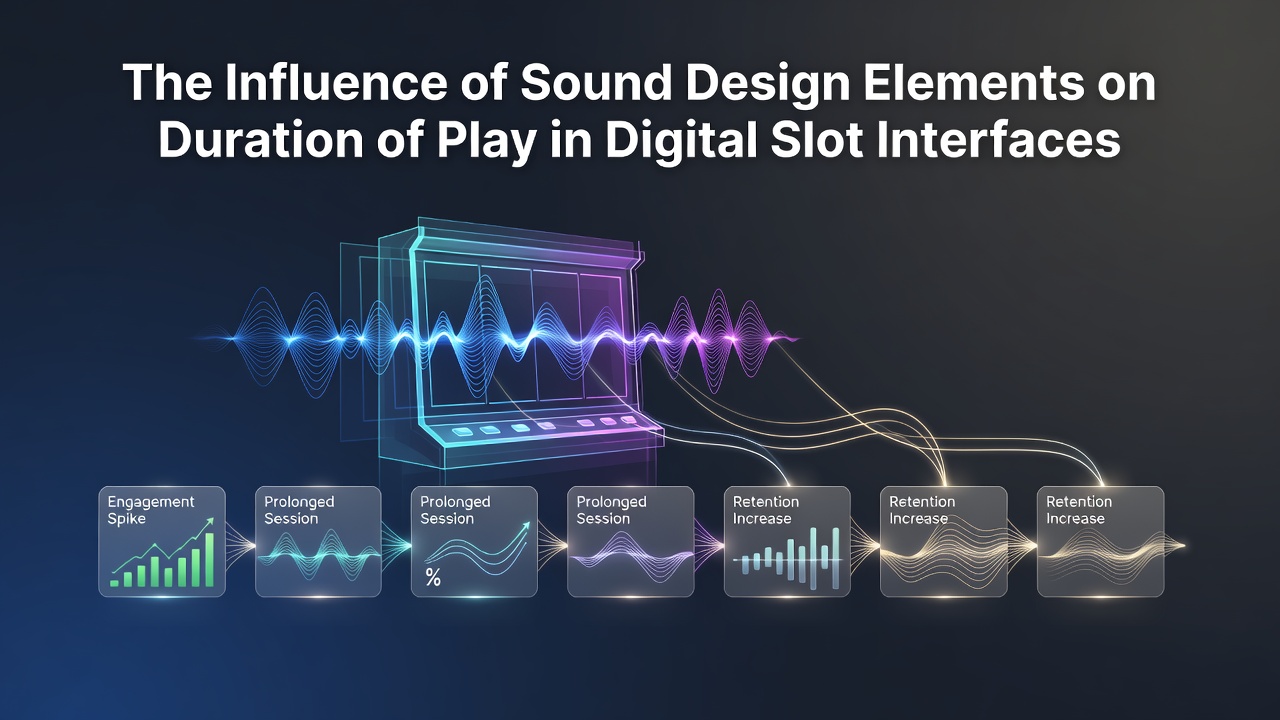
Sound design elements shape player interactions with digital slot interfaces through layered audio cues that accompany reel spins, bonus triggers, and payout sequences, and researchers have documented correlations between these auditory components and extended session lengths across multiple platforms. Data from industry analyses in early 2026 shows that titles incorporating dynamic soundscapes often sustain higher engagement metrics compared to those relying on minimal audio feedback, with patterns emerging in both mobile and desktop environments.
Core Components of Slot Audio Design
Developers integrate several distinct sound categories into modern slot games, including background music loops that evolve during features, symbol-specific chimes that activate on wins, and escalating audio intensities during near-miss sequences. These elements operate together rather than in isolation, creating feedback loops where players receive immediate auditory confirmation of game state changes. Studies conducted through university gaming labs indicate that synchronized audio-visual pairings can reduce perceived time passage, allowing sessions to extend naturally without players noticing the duration.
Ambient tracks frequently shift in tempo and volume based on bet size or win frequency, while win celebration sounds scale in complexity according to payout magnitude. Observers note that high-frequency tones paired with rapid reel stops tend to heighten alertness during base game play, whereas lower, resonant sounds accompany bonus rounds to signal transitions into higher-stakes segments.
Documented Effects on Play Duration
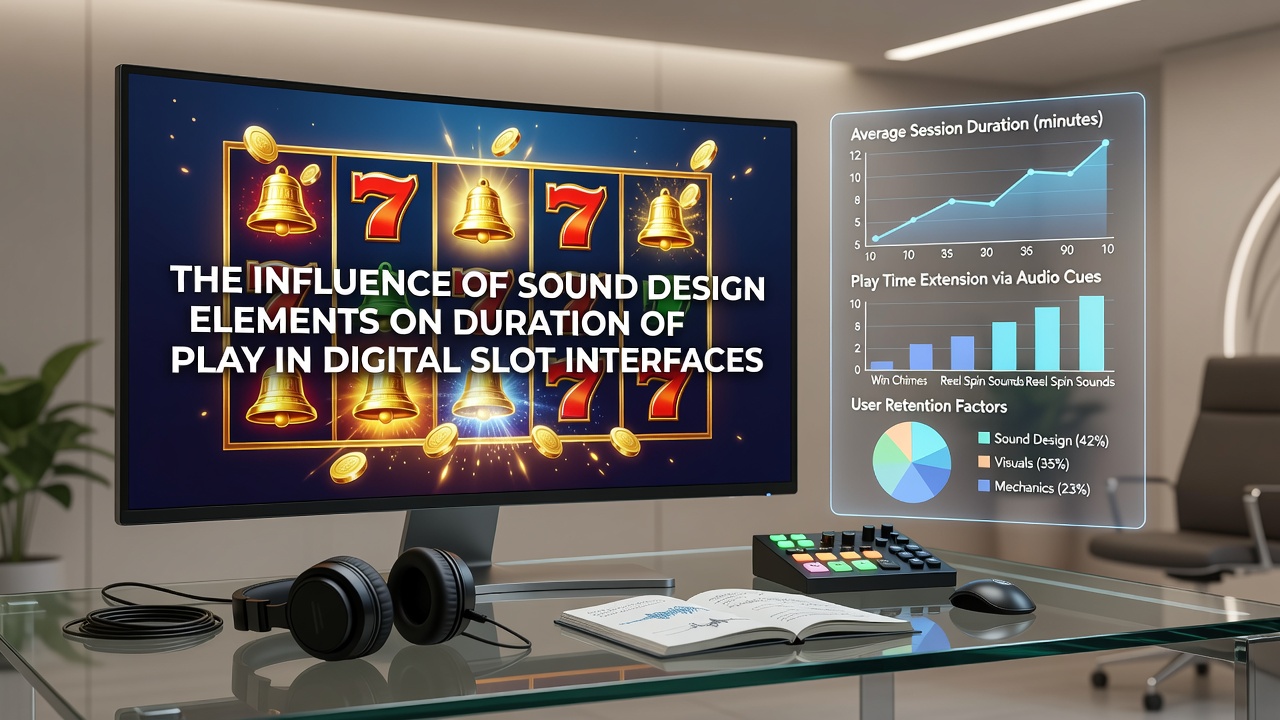
Research tracking user behavior across thousands of sessions reveals that certain audio profiles associate with longer average play times, particularly those featuring adaptive layering where new instrumental elements enter as multipliers accumulate. Figures from North American casino operators compiled through June 2026 demonstrate measurable differences, with sound-enhanced interfaces recording 15 to 25 percent longer dwell times in controlled A/B tests. These patterns hold across demographic groups, though the strength of the correlation varies by device type and connection speed.
Canadian regulatory reports on digital gaming platforms further support these observations by linking richer audio environments to sustained activity levels, especially in titles where sound cues provide continuous progression feedback. The reality is that players often continue spinning when audio signals reinforce anticipation, even during stretches without significant monetary returns, because the soundscape maintains a sense of forward momentum.
Regional Data and Industry Reports
Australian gaming authorities have published findings on mobile slot usage that highlight similar trends, noting how sound customization options allow users to adjust volume levels or toggle specific effects, which in turn influences session persistence. European research institutions examining cross-platform play have identified that games with spatial audio capabilities, where sounds appear to move across the stereo field, correlate with reduced drop-off rates during extended sessions. These reports emphasize measurable behavioral data rather than subjective preference surveys.
Technical Implementation Trends
Engineers now embed procedural audio systems that generate variations in real time rather than relying on static loops, allowing each spin sequence to carry slightly different sonic textures. This approach prevents repetition fatigue and supports longer play windows, according to technical papers presented at gaming technology conferences. Mobile developers in particular have refined compression techniques so that high-quality sound files load quickly without draining device resources, a factor that contributes to uninterrupted sessions on handheld devices.
What's interesting is how these systems integrate with player account settings, automatically adjusting audio intensity during late-night hours or when battery levels drop, which some platforms report helps maintain consistent engagement across varying conditions. Data collected through June 2026 indicates rising adoption of such adaptive audio among major content providers, driven by performance analytics rather than creative preference alone.
Interaction With Other Game Mechanics
Sound design rarely functions independently from visual and mathematical components, instead amplifying existing features like cascading reels or expanding wild symbols through matching audio escalations. When these alignments occur consistently, session analytics show increased spin counts per visit, particularly in titles where audio cues mark the accumulation of special symbols toward bonus activation. Operators tracking cross-game transitions note that players frequently move from one sound-rich title to another within the same ecosystem, extending overall platform time.
Yet the linkage remains context-dependent, since overly repetitive or mismatched audio can prompt quicker exits even when other mechanics perform well. Industry monitoring tools now flag titles where sound-to-outcome ratios fall outside established ranges, prompting design adjustments before wider release.
Conclusion
Evidence gathered from regulatory filings, academic studies, and operator analytics demonstrates clear associations between specific sound design choices and measurable differences in play duration across digital slot interfaces. As platforms continue refining audio systems through June 2026 and beyond, the integration of adaptive, layered soundscapes appears positioned to remain a central factor in engagement patterns. Continued data collection from diverse regions will clarify how these elements interact with evolving device capabilities and player behaviors over time.