Player Feedback Loops Shaping Funding Choices in Cross-Border Mobile Table and Reel Platforms
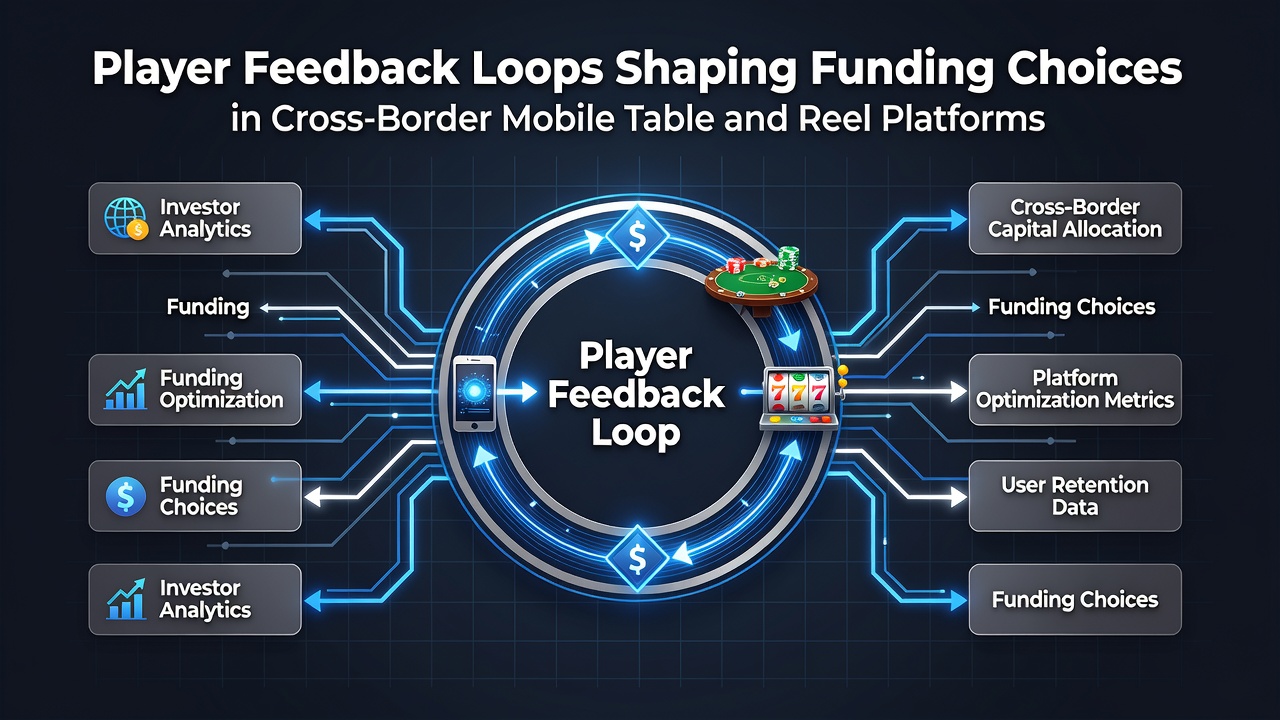
Operators in cross-border mobile gaming have increasingly relied on structured player feedback systems to guide funding allocations for table games and reel platforms, and these mechanisms collect real-time data from users across multiple jurisdictions to inform development priorities. Research from academic institutions shows that feedback loops operate through repeated cycles where player input on interface design, game speed, and payout structures directly affects budget decisions for software updates and new feature rollouts.
Mechanics of Feedback Collection in Mobile Environments
Platforms gather information through in-app surveys, session analytics, and direct support interactions while players engage with live dealer tables or automated reel sequences on handheld devices, and this data flows into centralized dashboards that operators monitor daily. Those who've studied these systems note that regional differences emerge quickly because players in one market may prioritize faster transaction processing whereas users in another focus on game variety, which forces companies to segment their funding streams accordingly.
Data patterns collected during July 2026 revealed that mobile table sessions generated higher volumes of feedback on dealer interaction quality compared with reel games, prompting several operators to redirect resources toward enhanced streaming technology rather than new slot mechanics. Experts have observed that such adjustments occur when response rates exceed predefined thresholds, triggering automated alerts that escalate issues to development teams within 48 hours.
Cross-Border Funding Allocation Patterns
International operators must navigate varying regulatory requirements when translating player preferences into financial commitments, and funding choices often reflect aggregated trends from North American, European, and Asian markets simultaneously. According to reports published by the Canadian Gaming Association, cross-border platforms adjusted 35 percent of their mobile reel development budgets in the first half of 2026 based on feedback indicating preference shifts toward progressive jackpot features.
Yet the process rarely follows a uniform timeline because time zone differences and language barriers slow the consolidation of comments from diverse user bases, which means teams in one region may implement changes weeks before others receive the same directive. Observers note that successful operators maintain separate funding pools for each major market while still sharing core technology improvements across borders to reduce duplication costs.
Impact on Table and Reel Platform Development
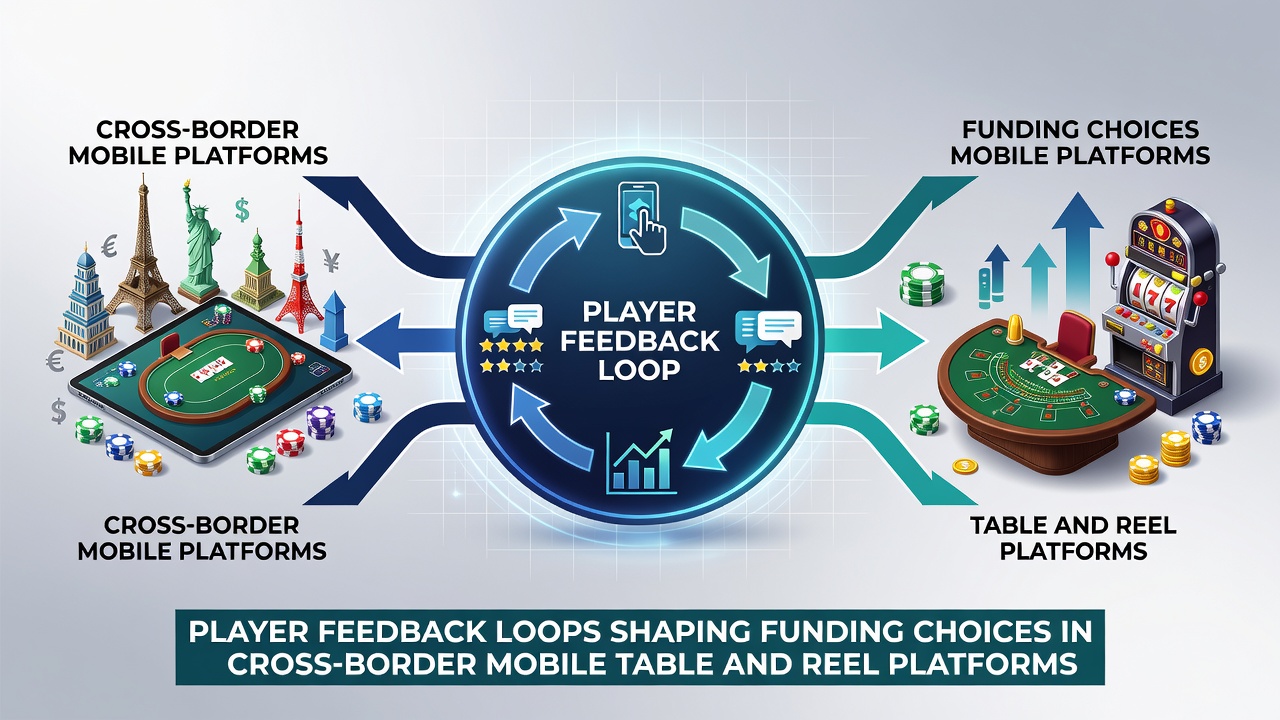
Table game modules on mobile platforms receive targeted funding when feedback highlights demand for additional betting options or improved latency during peak hours, and reel platforms see parallel investments when players report higher engagement with specific bonus round designs. Studies conducted by the Australian Gambling Research Centre tracked these correlations across twelve operators and found that platforms incorporating at least three feedback-driven updates per quarter retained users 22 percent longer than those making fewer changes.
Funding decisions also account for hardware compatibility issues raised by players using older devices, which leads companies to allocate portions of their budgets toward backward-compatible code rather than exclusive new titles. This approach becomes particularly relevant when cross-border expansion targets emerging markets where device diversity remains high.
Seasonal and Regional Variations in 2026
Throughout 2026, seasonal spikes in player activity during major sporting events influenced how operators prioritized funding between table and reel offerings on mobile channels, and feedback collected during those periods often emphasized teh need for quicker deposit methods to support spontaneous participation. Companies responded by adjusting their technology expenditures, sometimes shifting resources from long-term reel innovations to immediate table game enhancements that addressed latency complaints.
Regional regulatory updates further complicated these choices because new compliance requirements in one jurisdiction could redirect funds away from feature development toward security upgrades, even when player feedback remained positive on existing mechanics. Those monitoring the sector report that operators with robust feedback systems adapted faster to such shifts by rerouting budgets that had originally been earmarked for less critical projects.
Conclusion
Player feedback loops continue to serve as primary drivers for funding decisions across cross-border mobile table and reel platforms, and the data collected through these systems enables operators to align expenditures with demonstrated user priorities in multiple markets. As platforms expand their geographic reach, the ability to process and act on segmented feedback becomes increasingly central to maintaining competitive positioning and sustaining development pipelines through the remainder of 2026 and beyond.