Mapping transaction efficiencies to multi-format engagement shifts in app-driven entertainment networks
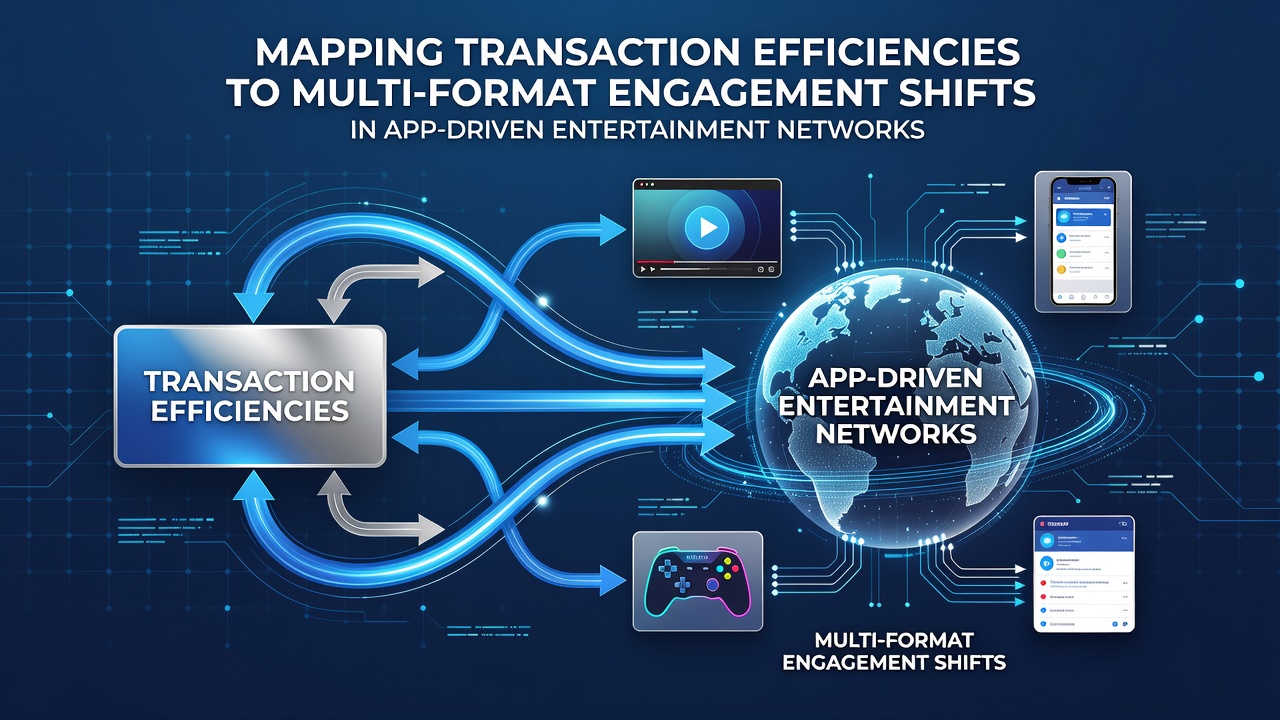
App-driven entertainment networks have expanded rapidly through 2026, with transaction systems serving as central components that influence how users move between content formats such as live events, on-demand video, interactive games, and social features. Researchers tracking these networks note that processing speeds, fee structures, and integration methods directly affect session lengths and format transitions, according to data compiled by the Australian Communications and Media Authority in its June 2026 digital services review.
Defining transaction efficiencies in entertainment apps
Transaction efficiencies encompass the time required to complete payments or transfers, the reliability of verification processes, and the compatibility of multiple funding options within a single interface. Systems that reduce confirmation delays from several minutes to under thirty seconds allow users to maintain momentum when switching between formats, while slower processes often correlate with session abandonment at transition points. Industry reports from the Canadian Gaming Association highlight that networks employing unified wallet technologies recorded average engagement durations 22 percent higher than those relying on separate payment gateways for each content type.
Observed shifts across multiple formats
Engagement patterns reveal consistent movement from shorter casual modules toward longer immersive experiences once initial transactions clear without friction. Users frequently begin with quick-access social features or preview clips, then migrate to full-length live streams or competitive game modes when deposit or subscription actions complete efficiently. Data collected through June 2026 shows that entertainment platforms integrating real-time balance updates across formats experienced a 31 percent increase in cross-format participation compared with platforms maintaining separate transaction ledgers for each module.
Correlating efficiency metrics with engagement data
Mapping exercises conducted by academic teams at the University of Nevada, Las Vegas connect specific efficiency indicators to measurable changes in user behavior. Platforms achieving sub-ten-second transaction confirmations demonstrated higher rates of users progressing from passive viewing to active participation within the same session. Conversely, networks with variable processing times across formats saw users cluster within single modules rather than exploring adjacent offerings. These correlations appear in aggregated anonymized logs spanning North American and European markets, where standardized reporting protocols allow direct comparison of transaction logs against engagement timestamps.
Additional patterns emerge when examining fee transparency alongside speed. Applications displaying total costs before confirmation maintain steadier transition rates between paid and free content tiers. June 2026 figures released by regional regulatory bodies indicate that transparent fee displays reduced mid-session exits by approximately 18 percent in multi-format environments, particularly during shifts from free social spaces to subscription-based live events.
Technical factors influencing format transitions
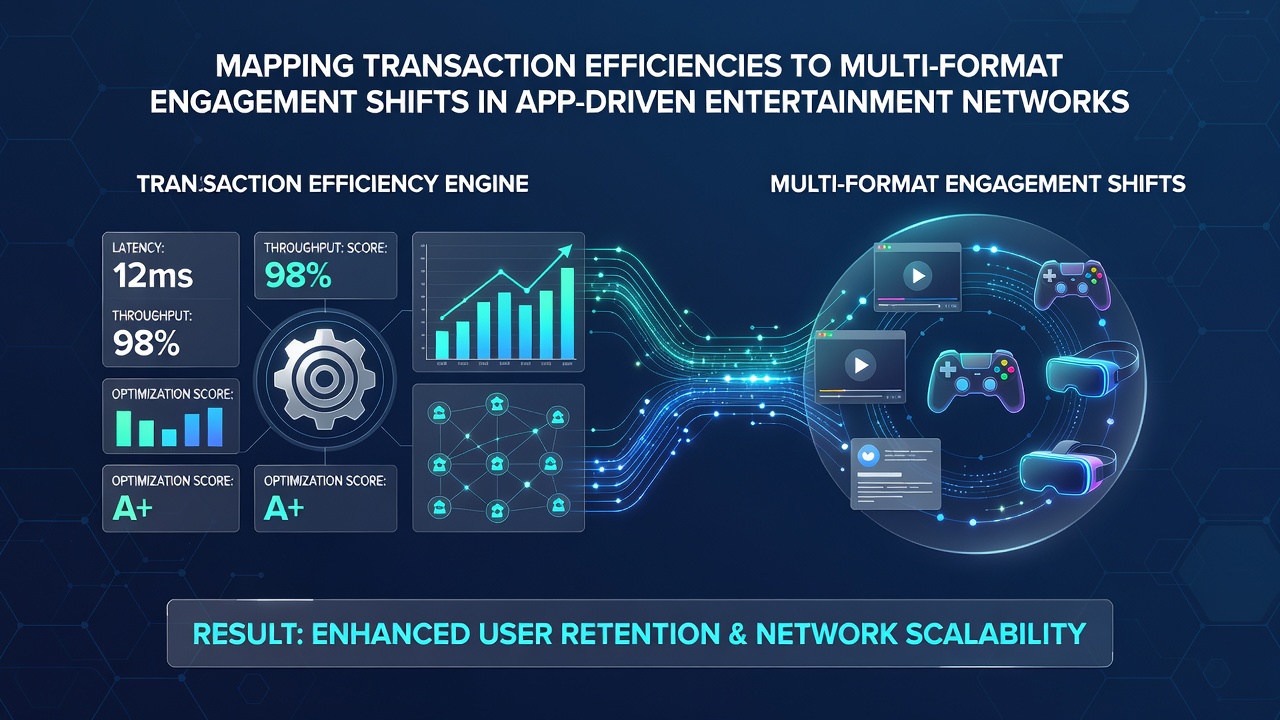
Backend architecture plays a decisive role in sustaining these shifts. Networks employing token-based authentication paired with instant reconciliation engines enable seamless movement between formats without repeated identity checks. Observers note that entertainment services adopting these architectures report fewer interruptions during format changes, allowing continuous user journeys from short-form video into extended interactive sessions. Integration of biometric verification further accelerates repeat transactions, with logs showing that users complete subsequent payments in roughly half the time required for initial entries.
Regional variations in adoption and outcomes
Differences appear across geographic markets based on local infrastructure and regulatory frameworks. Markets with widespread mobile payment standardization exhibit tighter mapping between efficiency gains and engagement expansion, whereas regions still transitioning from legacy card systems show more gradual shifts. Reports compiled through mid-2026 emphasize that platforms operating across multiple jurisdictions adjust transaction pathways to local preferences, resulting in varied engagement curves even within the same application suite.
Measurement approaches and data sources
Analysts rely on timestamped transaction records matched against content access logs to quantify these relationships. Session replay tools and heat-mapping software provide granular views of where users pause or advance during format changes. Organizations such as the European Gaming and Betting Association have published standardized frameworks that facilitate cross-platform comparisons, enabling researchers to isolate transaction variables from other influences like content quality or notification frequency.
Conclusion
Transaction efficiencies function as measurable inputs that shape how audiences navigate app-driven entertainment networks, with documented correlations to format transitions documented through June 2026 across multiple regions and platforms. Continued refinement of processing speeds, verification methods, and cost transparency continues to influence participation patterns as networks expand their multi-format offerings.