How Transaction Preferences Drive Engagement Shifts Between Reel Games and Interactive Table Formats in Global Mobile Ecosystems
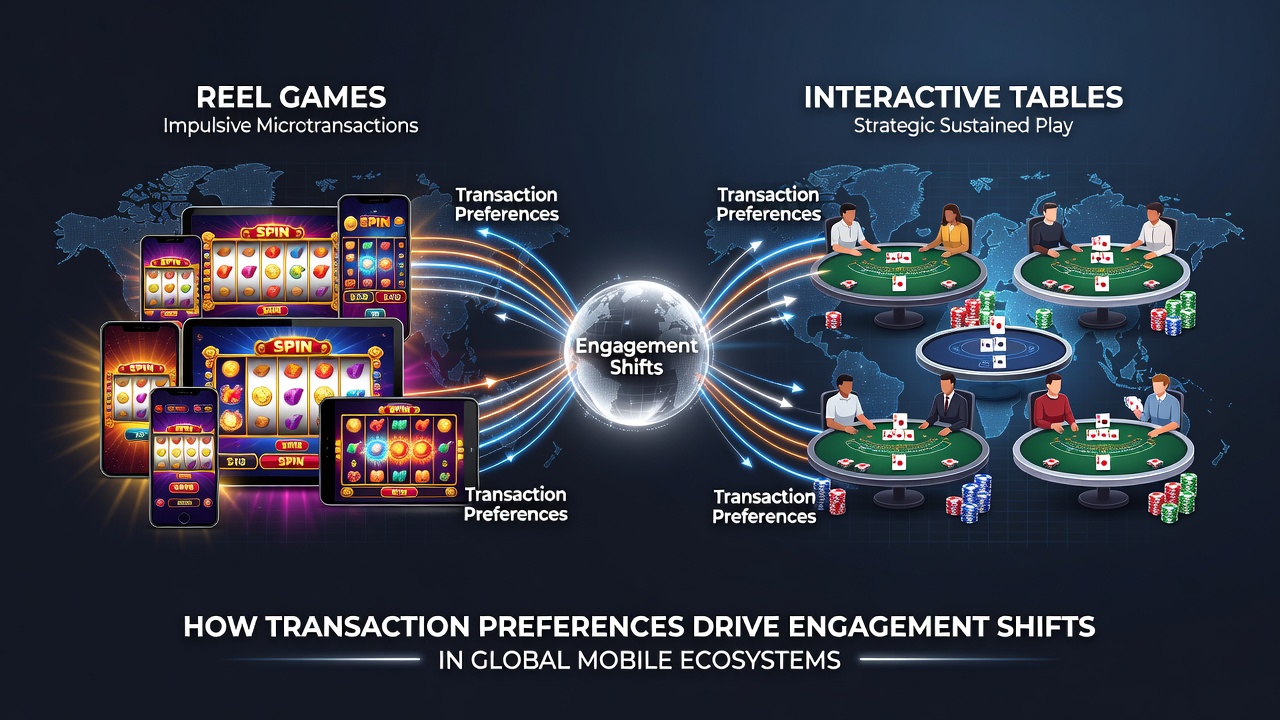
Data from mobile gaming platforms shows transaction preferences shape how users move between reel games and interactive table formats across different regions. Fast payment options such as e-wallets align with shorter session patterns typical of reel games, whereas bank transfers and card-based methods often correlate with longer engagement in table formats where decision-making unfolds over multiple rounds. Reports compiled in early 2026 highlight these patterns emerging consistently in markets from North America to Southeast Asia.
Platform operators track these shifts through aggregated user metrics that separate deposit speed from withdrawal frequency. Reel games attract quick top-ups that support repeated spins within minutes, and observers note that users who favor instant e-wallet services tend to remain in reel environments for extended periods before migrating elsewhere. Interactive table sessions, by contrast, draw participants who complete larger single transactions and then commit to multi-hand sequences lasting thirty minutes or more.
Payment Method Correlations With Format Selection
Studies examining transaction logs across global networks reveal distinct clusters. Users who initiate deposits via digital wallets record higher reel game activity during peak evening hours, while those routing funds through traditional banking channels show elevated participation in live dealer tables and multiplayer poker variants. This division holds steady even when controlling for device type and operating system.
June 2026 figures from several regulated jurisdictions indicate that e-wallet transactions accounted for nearly sixty percent of reel game deposits in mobile ecosystems, whereas table game activity drew closer to forty-five percent of its funding from credit and debit card sources. These percentages reflect aggregated data rather than individual behavior, yet the split persists across multiple reporting periods.
Regional Variations in Transaction-Driven Engagement
North American markets demonstrate pronounced differences based on regulatory frameworks governing payment rails. Canadian provincial operators report that users selecting prepaid vouchers maintain shorter reel sessions on average, while those using direct bank links extend time spent at virtual tables. Similar patterns appear in Australian data where state-level monitoring tracks how transaction velocity influences cross-format movement.
European operators, operating under frameworks established by bodies such as the Malta Gaming Authority, observe parallel trends. Faster settlement methods coincide with reel game spikes during commute windows, whereas slower but more secure options align with evening table play that requires sustained attention. Southeast Asian platforms echo these observations, particularly in jurisdictions where mobile wallets dominate everyday commerce.
Session Duration and Deposit Velocity Data
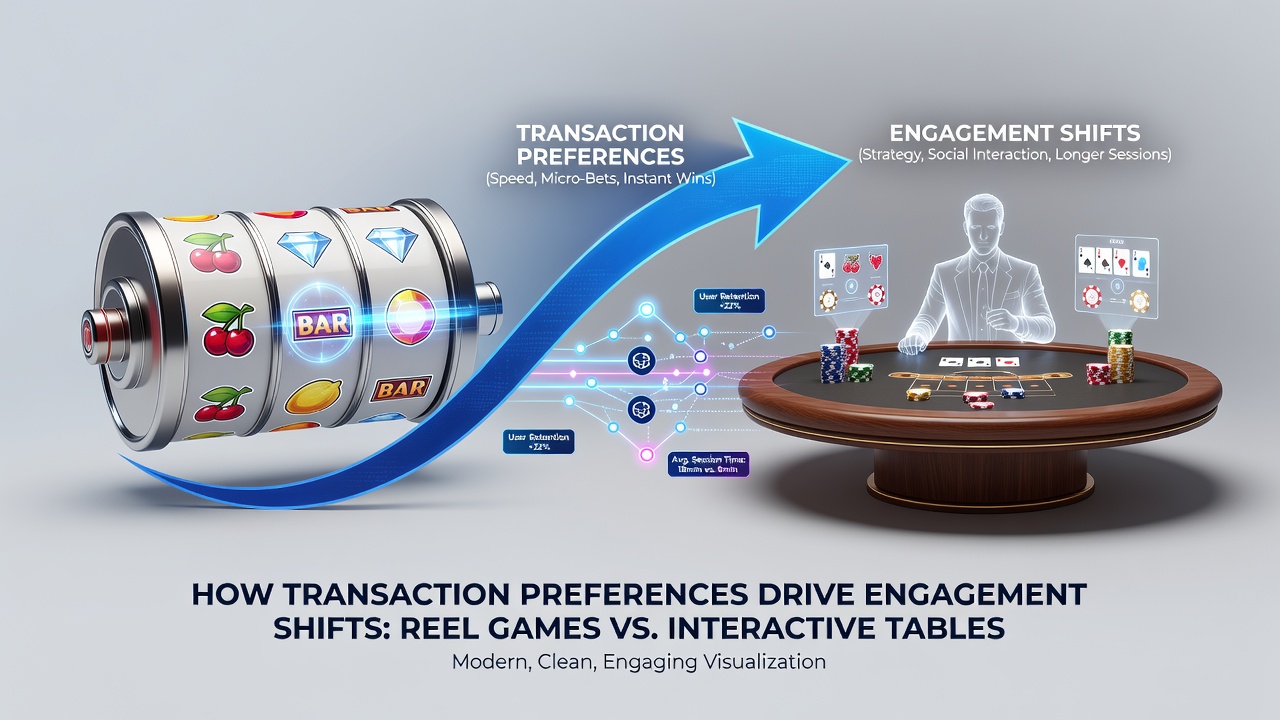
Analytics platforms that aggregate anonymized session records find reel game users complete an average of 4.2 deposits per active hour when employing instant methods, compared with 1.8 deposits per hour for table game participants using the same channels. The inverse holds for slower methods: table sessions stretch longer when funded through processes requiring additional verification steps.
These measurements come from cross-platform studies that compare identical user cohorts over consecutive months. Researchers tracking behavior note that a change in preferred deposit method often precedes a measurable shift in format preference within seven to ten days, suggesting transaction friction acts as an early indicator of engagement migration.
Cross-Border Patterns and Ecosystem Effects
International comparisons published by industry research groups such as the European Gaming and Betting Association reveal that markets with high mobile wallet penetration experience faster reel-to-table transitions when users switch to card-based funding. The opposite movement occurs when new e-wallet integrations launch in regions previously reliant on bank transfers.
Observers tracking these flows point to infrastructure differences rather than game design alone. Networks supporting near-instant reconciliation enable reel game retention, while those emphasizing verification layers encourage table format stability. June 2026 updates from multiple licensing authorities confirm that operators adjusting payment menus see corresponding adjustments in format distribution within one reporting cycle.
Conclusion
Transaction preferences continue to map onto engagement patterns between reel games and interactive table formats throughout global mobile ecosystems. Aggregated data from regulatory and industry sources demonstrates consistent correlations between deposit velocity and session characteristics, with regional infrastructure shaping the strength of these relationships. As payment options evolve, platform metrics will likely continue reflecting these underlying dynamics.