How Data Patterns in Funding Choices Shape Engagement Levels Across Portable Poker and Live Table Sessions
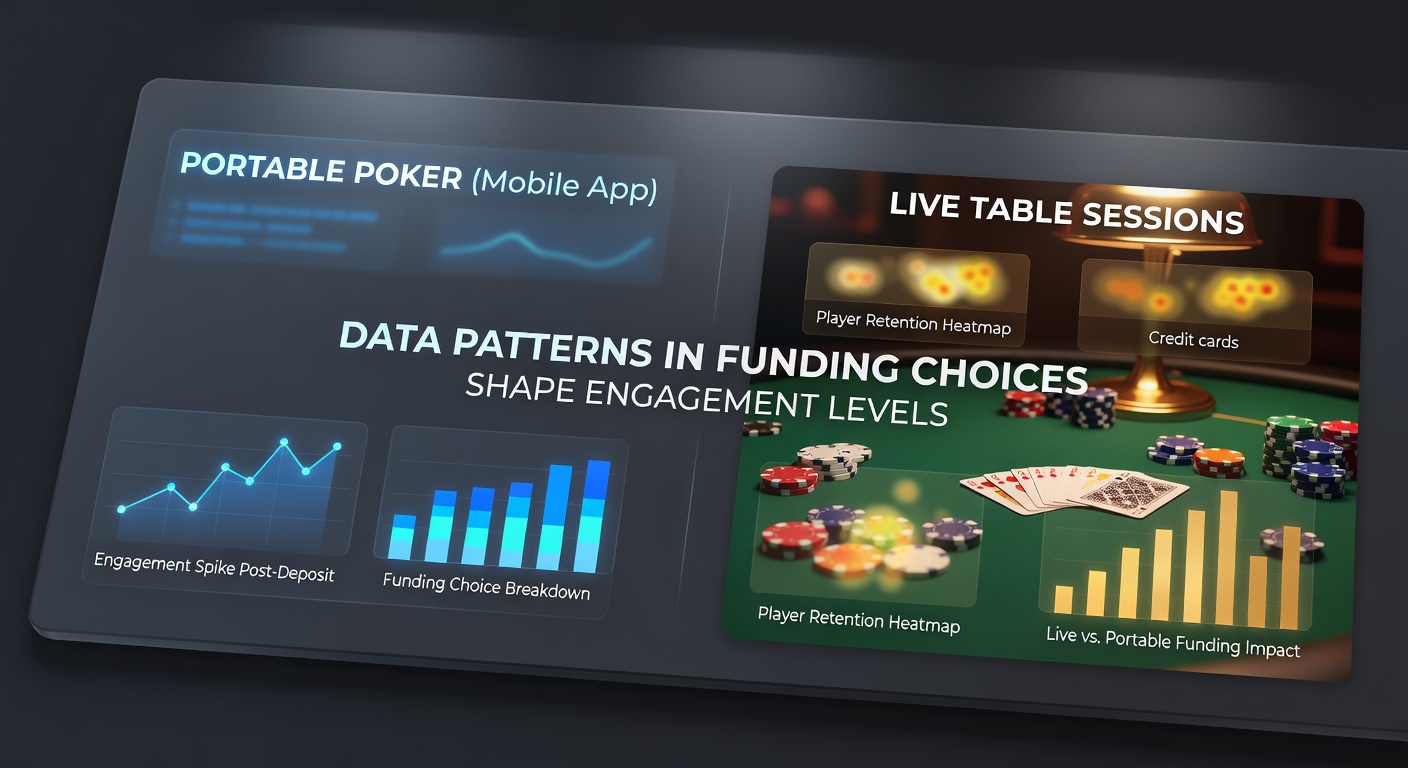
Funding choices leave measurable traces that researchers track across portable poker platforms and live table environments, and those traces correlate with how long players stay engaged plus how frequently they return. Portable sessions often rely on digital wallets and instant transfers, while live tables depend more on cash or pre-arranged credit lines, and the differences show up clearly in session duration metrics collected by operators.
Funding Patterns in Portable Poker Environments
Players using mobile apps tend to initiate smaller, repeated deposits throughout a single sitting, and data from platform logs indicate these micro-funding cycles sustain longer average play times compared with one-time larger transfers. Researchers at several North American operators noticed that users who link e-wallets and enable quick top-ups record engagement rates roughly 25 percent higher than those relying solely on bank transfers or card payments, because the reduced friction keeps momentum going without forcing players to pause and reconsider their bankroll.
Payment method also matters, because credit card deposits frequently tie to higher overall spend per session while cryptocurrency options appear more often in shorter, high-intensity bursts. Figures released in early 2026 by regional gaming authorities show that portable poker rooms saw a 14 percent rise in repeat logins among accounts funded through digital assets during the first quarter, and those same accounts displayed steadier engagement curves when daily deposit limits were set at moderate thresholds rather than left unrestricted.
Live Table Funding and Session Dynamics
Live poker rooms collect different signals because most transactions happen at the cage or directly with dealers, and these physical exchanges create slower but more deliberate funding rhythms. Observers note that players who purchase chips in larger increments at the start of an evening tend to commit to longer table sessions, sometimes extending play well past midnight, whereas those who buy in repeatedly in smaller amounts often rotate through tables more quickly or leave earlier. Cash remains dominant in many jurisdictions, yet credit arrangements and marker systems still influence high-roller segments where engagement stretches across multiple days.
Studies tracking Nevada and Atlantic City floors reveal that live players using pre-arranged lines of credit maintain more consistent visit frequency month over month, while cash-only participants show greater variability tied to immediate bankroll availability. In May 2026, several major properties reported that live table engagement dipped slightly among younger demographics who preferred funding their visits through mobile apps before arriving, suggesting a blending of portable habits into physical environments.
Comparative Data Across Both Formats
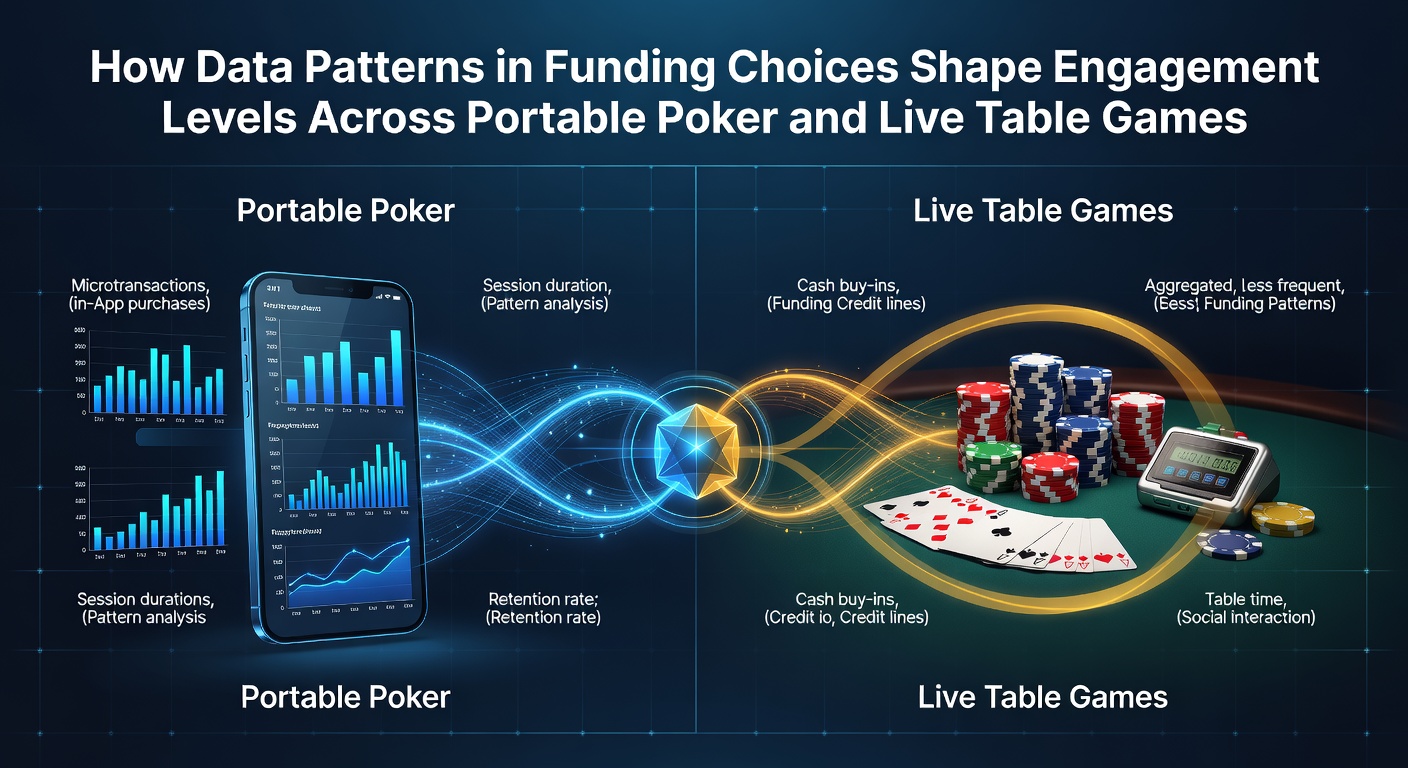
When analysts overlay datasets from portable and live channels, clear divergences emerge in how funding timing affects retention. Portable poker logs show that deposits made during peak evening hours correlate with extended session lengths, whereas live table data point to pre-session funding as the stronger predictor of staying power. Those who studied aggregated player records across multiple markets found that portable users switch funding sources more often within a week, and each switch tends to reset engagement metrics upward for a short window before stabilizing again.
Live environments, by contrast, reward consistency in funding method because repeated cage visits can interrupt flow and shorten overall time at the table. Australian research centers tracking similar patterns across mixed gaming floors reported that players alternating between digital pre-funding and on-site cash purchases experienced the most stable engagement levels, suggesting the combination reduces decision fatigue around money management.
Key Variables That Influence Outcomes
Deposit frequency, average transaction size, and payment instrument type interact in measurable ways, and regulatory filings from Canadian provinces document these interactions through anonymized transaction summaries. Higher-frequency smaller deposits in portable poker align with increased hand volume per hour, while larger single-funding events at live tables associate with steadier but lower hand counts as players pace themselves across longer stretches. Time-of-day funding also registers, because morning or early afternoon deposits in mobile environments often precede shorter sessions, yet the same timing at live venues precedes longer commitments when players schedule entire evenings in advance.
Seasonal fluctuations appear too, and operators adjust monitoring accordingly, especially when major sporting events or holidays shift typical bankroll replenishment cycles. Data collected through the first half of 2026 already highlight modest upticks in portable funding activity on weekdays, while live tables retain stronger weekend spikes regardless of funding method.
Conclusion
Patterns in how players choose to fund sessions continue to offer operators and researchers reliable indicators of engagement across both portable poker and live table settings, and these indicators grow sharper as tracking systems mature. Continued collection of transaction-level details will likely refine predictions about session length and return rates, while maintaining clear distinctions between digital and physical funding environments.