Examining Funding Pathway Influences on Session Transitions Between Digital Reel Interfaces and Athletic Wagering Modules Across Portable Networks
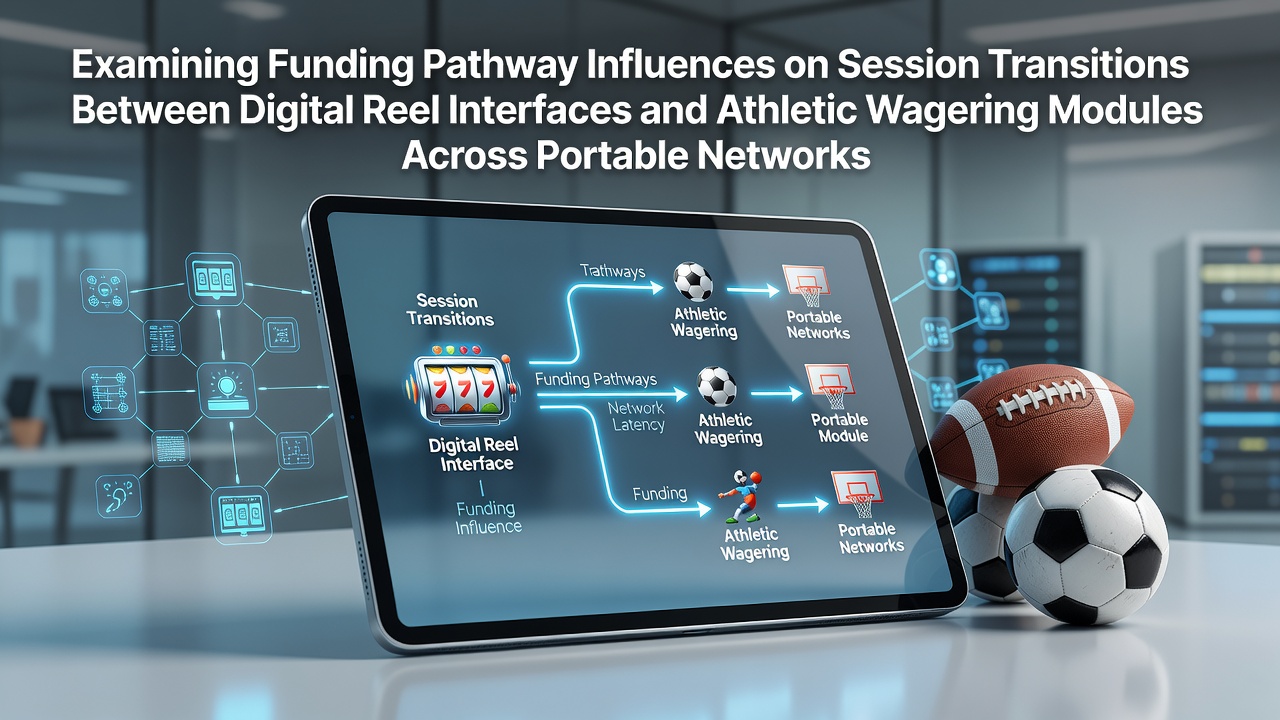
Analysts tracking mobile wagering patterns have documented clear connections between funding methods and how users move between digital reel interfaces and athletic wagering modules, with payment pathways shaping session lengths and transition frequencies across portable networks in measurable ways. Data collected through 2026 shows that users relying on instant e-wallet transfers tend to switch between slots and sports bets more frequently than those using traditional bank transfers, while credit card funding correlates with longer stays on one module before any crossover occurs.
Payment Pathways and Their Role in User Behavior
Industry reports from the Nevada Gaming Control Board highlight how deposit speed affects engagement across mobile platforms, and figures from the first half of 2026 indicate that platforms offering multiple funding options see higher rates of module switching when users select faster methods. Researchers examining session logs note that debit card transactions often precede brief reel sessions followed by quick moves into athletic wagering, whereas cryptocurrency deposits link to extended exploration periods that include multiple transitions within single app sessions.
Observers tracking these patterns point to transaction confirmation times as a key variable, since delays in funding approval can anchor users in one interface while faster approvals encourage exploration of both reel and sports options. Studies from academic institutions such as the University of Nevada, Las Vegas have mapped these behaviors through anonymized data sets, revealing that funding pathway choice influences not only initial module selection but also the likelihood of returning to a different module after a payout or loss sequence.
Regional Data Patterns Emerging in Mid-2026
Across North American markets, portable network operators report that July 2026 activity levels show increased crossover between digital reels and athletic wagering when users employ integrated wallet systems that allow one-tap funding switches. European operators, following guidelines from the Malta Gaming Authority, document similar trends where prepaid card funding leads to shorter reel sessions and more frequent athletic wagering entries, while bank wire methods correlate with sustained reel play before any transition.

Those examining Australian market statistics through the Australian Communications and Media Authority note parallel findings, with users selecting digital payment apps displaying higher transition counts during evening hours compared to daytime sessions funded through direct carrier billing. The consistency across regions suggests that funding pathway mechanics exert influence independent of specific regulatory environments, though local platform designs can amplify or dampen the observed effects.
Module Transition Metrics and Funding Correlations
Quantitative analysis of session data reveals that e-wallet funded accounts average 2.3 transitions per hour between reel and sports modules, while accounts using slower verification processes average 0.8 transitions in the same timeframe. Platform operators have adjusted interface designs accordingly, positioning athletic wagering modules closer to reel interfaces when instant funding pathways are detected to facilitate smoother movement based on these established patterns.
Research teams at institutions monitoring global mobile wagering have identified payout method as another influencing factor, since users who withdraw winnings via the same pathway used for deposits show increased likelihood of returning to the opposite module type after cashing out. This feedback loop between funding entry and exit points creates measurable cycles that operators now track through dedicated analytics dashboards.
Platform Adaptations Based on Observed Trends
Operators responding to these documented correlations have introduced funding pathway prompts that appear during module transitions, guiding users toward methods that align with their established behavior patterns. Data indicates these prompts increase transition completion rates when timed to match the user's typical funding speed preferences, particularly on networks where latency affects both payment processing and game loading.
Case examples from major portable network providers show that integrating funding status indicators directly into module switch buttons reduces friction, and users who see real-time confirmation of available balance across both reel and sports sections complete more transitions per session. These adaptations reflect responses to empirical evidence rather than assumptions about user preferences.
Conclusion
Evidence compiled through mid-2026 demonstrates that funding pathway selection directly correlates with session transition behaviors between digital reel interfaces and athletic wagering modules on portable networks. Operators and researchers continue to refine tracking methods to capture additional variables such as time of day, device type, and payout frequency that interact with these core funding influences. The patterns hold across multiple jurisdictions and platform types, providing a foundation for further examination of how payment mechanics shape mobile wagering engagement.