Dissecting Linkages Between Loyalty Structures and Multi-Game Participation in Cross-Border Mobile Wagering Ecosystems
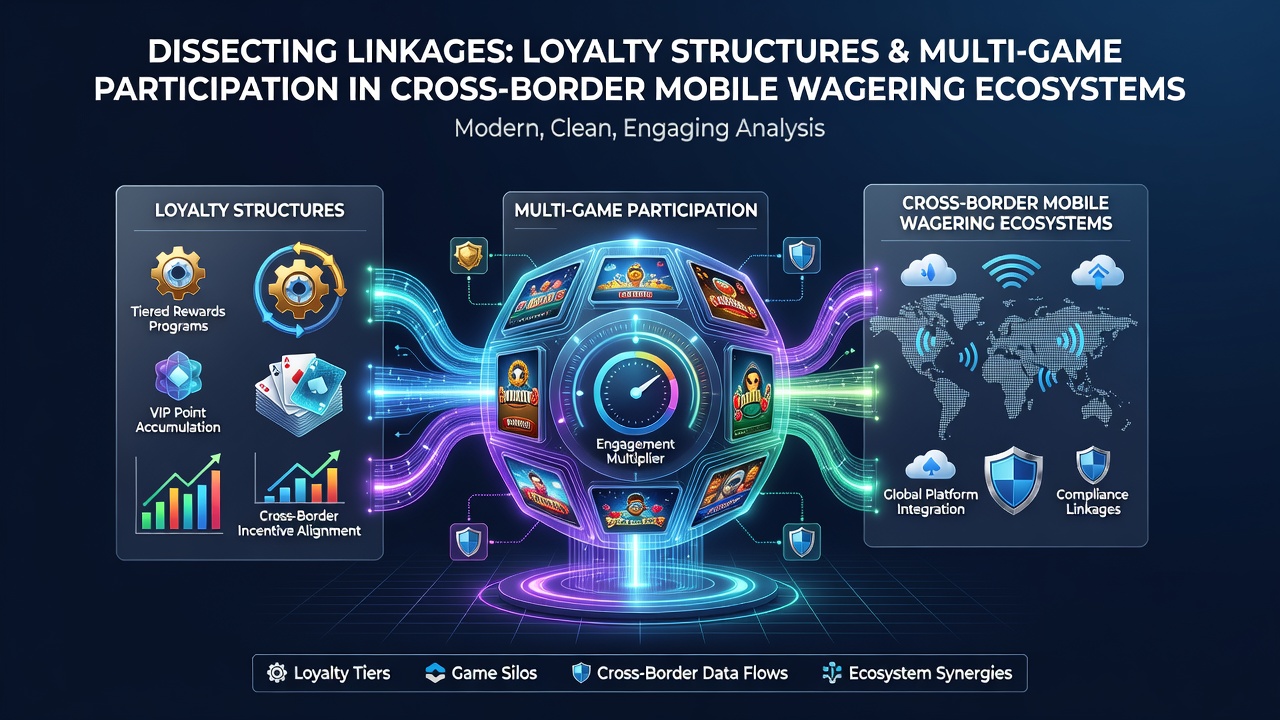
Analysts have examined connections between loyalty structures and participation rates across multiple game types in mobile wagering platforms that operate across national boundaries, with data drawn from operator reports and regulatory filings in various jurisdictions. These systems often integrate reward mechanisms such as tiered points accumulation and bonus allocations that track user activity across slots, table games, and sports wagers within single applications. Figures from industry monitoring indicate that participants who engage with loyalty tiers tend to extend their sessions into additional game categories when platforms facilitate seamless transitions between them.
Core Components of Loyalty Structures in Mobile Platforms
Loyalty programs in cross-border mobile wagering typically rely on centralized databases that record player actions regardless of geographic location, provided the app complies with local licensing requirements. Points systems award value based on wager volume and frequency, while redemption options include free spins, deposit matches, or cash equivalents that apply across different game verticals. Data compiled through 2025 shows operators in regions like North America and parts of Asia allocating significant portions of revenue to these incentives, with participation metrics rising when rewards scale with multi-category engagement rather than single-game focus.
Regulatory bodies such as the New Jersey Division of Gaming Enforcement have documented how these structures must adapt to varying tax and compliance rules when users cross borders, yet the underlying algorithms remain consistent in tracking cumulative activity. Observers note that platforms often employ segmented rewards where mobile-specific bonuses encourage shifts from one game type to another, creating measurable patterns in session duration and variety.
Patterns of Multi-Game Participation Across Borders
Participation data reveals that users in cross-border ecosystems frequently alternate between game formats when loyalty incentives align with mobile accessibility features like push notifications and quick-load interfaces. Studies from research institutions tracking 2025 activity levels found correlations between reward multipliers for consecutive game plays and increased switching rates among poker, slots, and live dealer options. These patterns hold particularly in markets where operators hold licenses in multiple countries, allowing accounts to persist across regulatory zones with adjusted offerings.
According to reports issued by the European Gaming and Betting Association, mobile sessions in mid-2025 averaged higher game variety when loyalty points carried over without reset at month-end boundaries. Operators have adjusted algorithms to detect and promote transitions, such as suggesting table games after slots play reaches certain thresholds, which data links to sustained account activity over longer periods.
Linkages Identified Through Operational Data
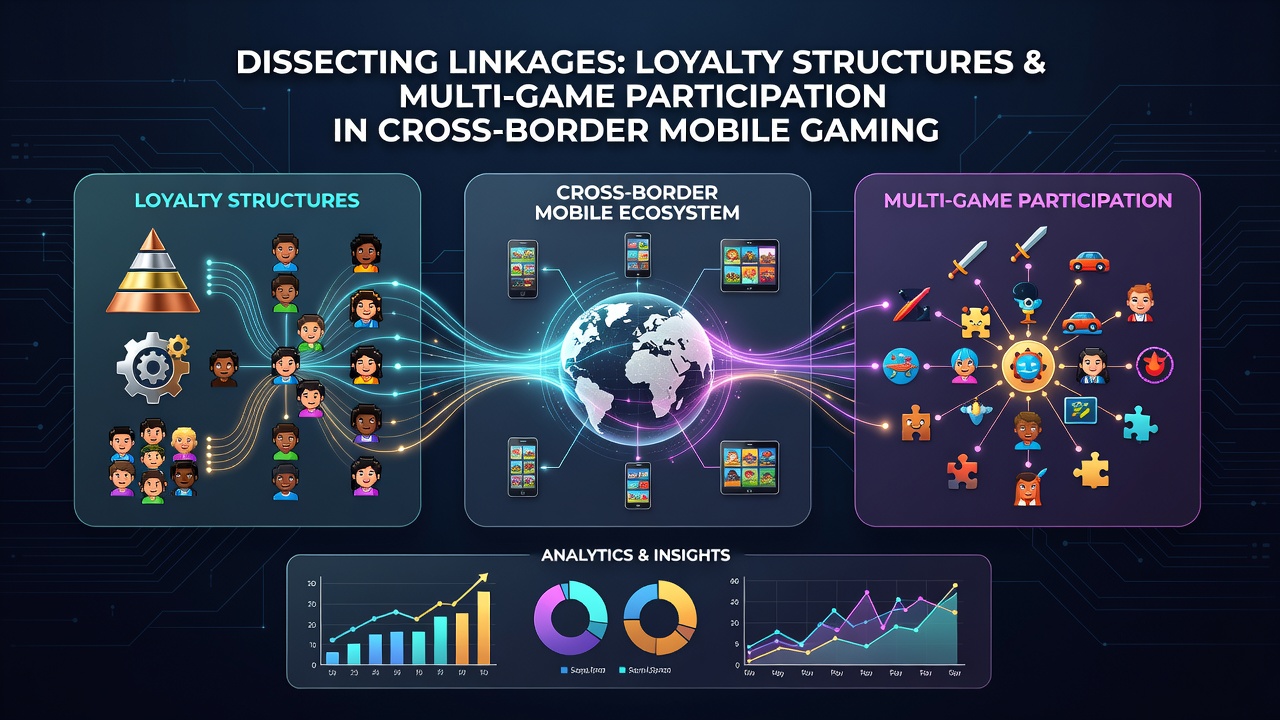
Researchers have mapped direct relationships where elevated loyalty tiers correspond with broader game portfolios selected by individual accounts. In June 2026 updates from platform analytics, operators reported that accounts reaching mid-tier status exhibited 40 percent greater diversification into secondary games compared to entry-level participants. This linkage strengthens in cross-border contexts because unified loyalty ledgers allow points earned in one jurisdiction to influence options available elsewhere, reducing friction for continued multi-game exploration.
Case examples from operators serving both European and Asian markets illustrate how bonus structures tied to total activity volume rather than isolated game metrics drive the observed expansions. Data indicates these mechanisms operate through predictive modeling that identifies users likely to respond to cross-promotions, with results showing sustained increases in overall handle when such linkages activate.
Regulatory and Technical Considerations Shaping These Dynamics
Cross-border operations require loyalty systems to interface with diverse compliance frameworks, including those enforced by the Alcohol and Gaming Commission of Ontario and similar entities in Australia. These interactions affect how reward eligibility transfers when users move between licensed territories, yet aggregated data continues to show positive associations between tier advancement and game multiplicity. Technical implementations often use API connections that update loyalty balances in real time across devices, supporting uninterrupted participation flows.
Evidence from academic reviews of wagering databases demonstrates that platforms incorporating location-aware adjustments maintain higher multi-game retention when loyalty rules remain transparent and consistent. Figures released in early 2026 confirm these technical linkages contribute to measurable upticks in session counts spanning multiple categories.
Conclusion
Operational records across mobile wagering networks establish measurable connections between loyalty frameworks and expanded game participation in cross-border settings, with patterns emerging from consistent data tracking rather than isolated events. As systems evolve through 2026, the integration of reward mechanics with multi-jurisdictional access continues to shape how accounts distribute activity across available formats. These linkages rest on documented metrics from regulatory submissions and operator analytics that highlight the role of unified point systems in facilitating broader engagement.