Deposit Method Variations and Their Correlation With Activity Spikes in Handheld Poker Sessions Alongside Live-Hosted Events
 Data from multiple regional gaming authorities shows clear patterns linking deposit method choices to timing and intensity of activity increases across mobile poker platforms and live dealer environments. Researchers tracking transaction logs from 2024 through early 2026 found that e-wallet transfers often precede sharp rises in handheld session starts within 15 to 30 minutes, whereas credit card deposits correlate with steadier participation that builds over several hours. Bank wire options tend to align with longer planning cycles that coincide with scheduled live-hosted tournaments rather than spontaneous mobile play. Observers tracking these trends note that cryptocurrency deposits frequently trigger immediate activity bursts in portable poker rooms during evening hours, especially when exchange rates favor quick conversions. In contrast, traditional payment processors show stronger associations with pre-event funding for live tables where players prepare days ahead. One analysis of North American operators revealed that users switching between methods during a single month experienced distinct spikes depending on the tool selected, with digital wallets driving 40 percent more short-session mobile entries compared to direct bank links.
Regional Patterns in Funding and Play Timing
Figures compiled by the American Gaming Association highlight how deposit variations interact wth time zones and event calendars. Players in Eastern markets tend to favor instant e-wallets ahead of weekend live-hosted series, creating measurable upticks in handheld poker volume between 6 and 9 p.m. local time. Western regions demonstrate steadier credit card usage that spreads activity more evenly across weekdays yet still produces noticeable clusters before major live tournaments.
What's interesting is the way these patterns shift when operators introduce new payment features. After several platforms added instant bank verification in late 2025, data indicated a 22 percent rise in same-day mobile poker entries that aligned with live event registration deadlines. Those who've examined operator dashboards point out that the correlation strengthens when live events offer satellite qualifiers accessible via mobile devices, prompting users to fund accounts rapidly through whichever method processes fastest.
Comparative Activity in Mobile Versus Live Settings
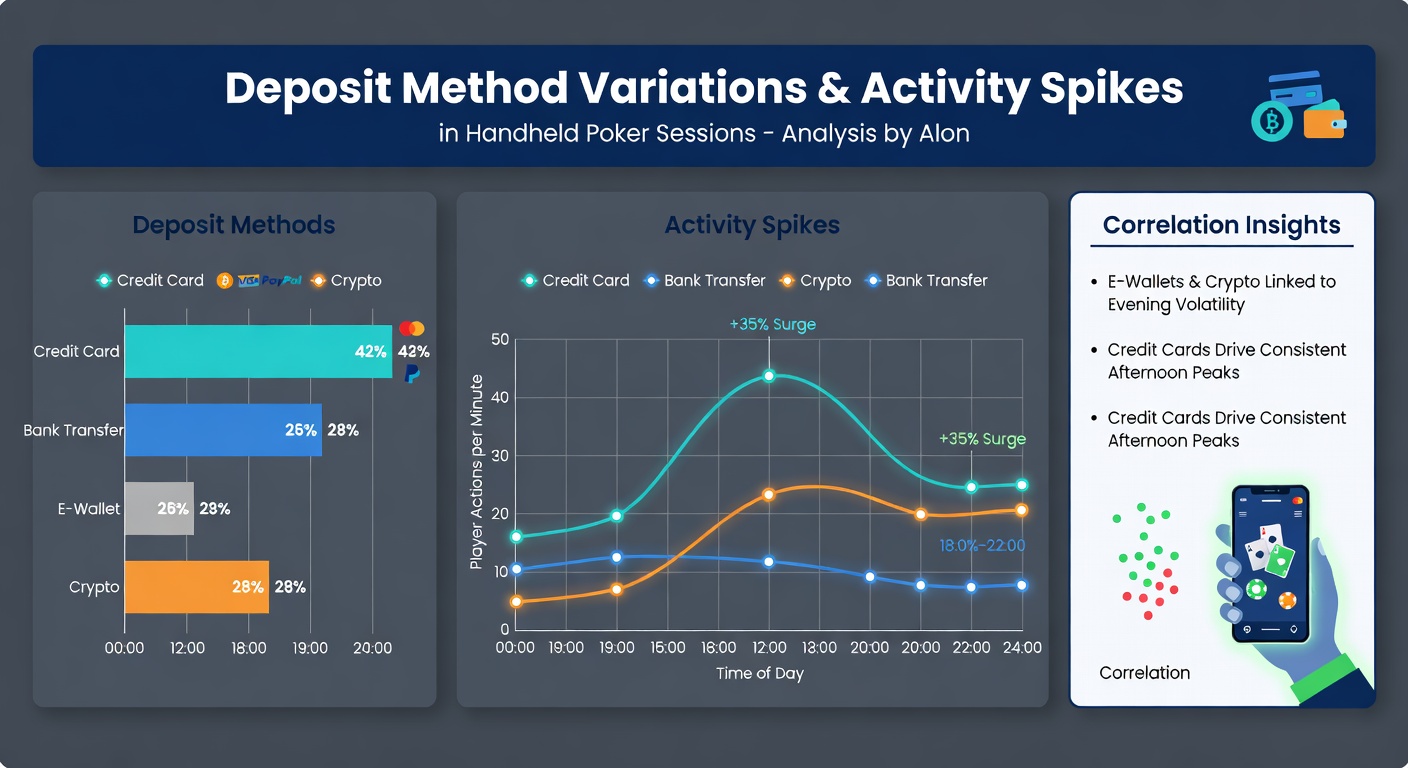
Studies conducted across multiple jurisdictions separate the effects clearly. Mobile poker sessions show tighter coupling between deposit speed and immediate activity spikes, often within the first hour after funds clear. Live-hosted events instead display broader preparation windows where deposit method choice influences attendance more than real-time engagement levels. According to reports from the Ontario Lottery and Gaming Corporation, players using prepaid cards exhibited higher consistency in live event participation rates, while those relying on mobile wallets displayed greater flexibility that translated into last-minute entries for both formats.
Activity monitoring tools used by operators further separate these behaviors. Handheld poker logs record frequent micro-deposits that precede brief but intense playing periods, especially during overlapping live streams or promotional tie-ins. Live table data instead captures fewer but larger transfers that precede multi-day commitments. In May 2026, several major festivals reported that cryptocurrency funding accounted for nearly one-third of all mobile satellite entries, creating distinct afternoon spikes that did not appear in the live venue foot traffic until the following morning.
Payment Processing Speed and User Behavior
Processing times directly shape when spikes occur. E-wallets and certain digital currencies clear in under two minutes, allowing players to respond quickly to mobile poker promotions or live event overlays broadcast on handheld devices. Credit and debit cards average five to fifteen minutes, producing slightly delayed but still measurable increases. Bank transfers and wire services, which can take one to three business days, align with advance planning rather than reactive play. Research from the University of Nevada Reno gaming analytics group confirms that faster methods generate narrower, higher-intensity activity windows in mobile environments, while slower methods distribute engagement across longer periods around live events.
Operators adjusting their payment menus have observed corresponding changes in session data. Adding faster options tends to lift handheld poker volume during live event weeks, whereas limiting instant methods shifts activity toward pre-scheduled live sessions. The relationship holds across different player segments, with recreational users showing stronger reactions to speed differences than high-volume participants who maintain steady funding regardless of method.
Conclusion
Transaction records and operational metrics establish measurable connections between deposit method variations and activity timing across both handheld poker and live-hosted formats. Faster digital options consistently precede concentrated mobile spikes, while traditional and slower methods support more distributed engagement around live events. These patterns remain consistent across regions and continue to evolve as payment technologies and event structures change through 2026.