Analyzing Loyalty Program Designs and Their Influence on Cross-Game Transitions Within International Mobile Wagering Networks
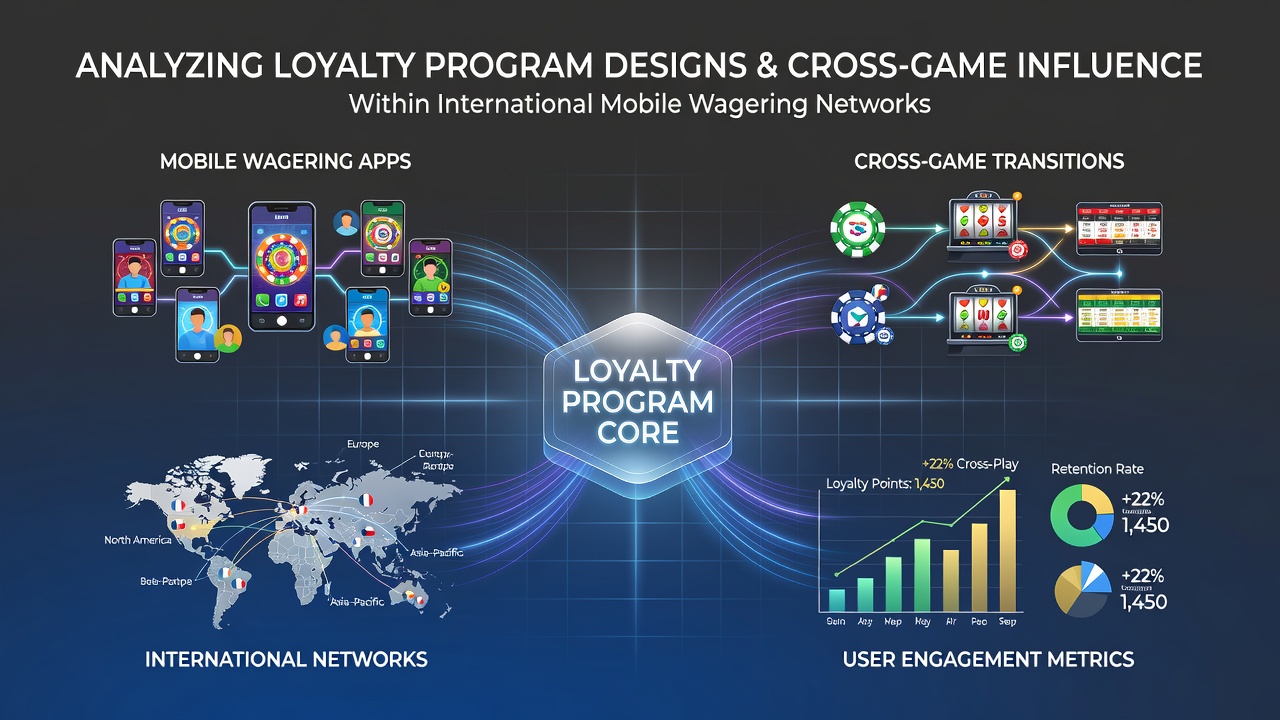
International mobile wagering networks rely on structured loyalty programs to shape how participants move between game categories such as slots, table games, sports betting, and poker formats. These designs incorporate tiered reward systems, point multipliers, and redemption options that track activity across platforms, and operators adjust mechanics based on usage patterns observed in global markets.
Core Elements of Loyalty Program Structures
Point accumulation models form the foundation, where players earn credits through wagers placed on mobile applications, and operators apply different rates depending on game type with sports betting often yielding lower multipliers than reel-based titles. Tier progression adds layers through thresholds that unlock benefits like faster cashouts or exclusive event access, and data compiled through mid-2026 shows networks operating across Europe and Asia adjusting these thresholds seasonally to maintain engagement levels.
Redemption catalogs vary widely with some systems offering direct conversion to betting credits while others route rewards toward merchandise or travel packages, and researchers tracking usage note that programs linking rewards to multiple game categories tend to sustain longer session durations compared to single-category designs.
Mechanisms Driving Cross-Game Movement
Cross-game transitions occur when loyalty mechanics create incentives that encourage shifts from one category to another, such as bonus points awarded for completing challenges that span slots and live dealer tables. Program algorithms monitor transition frequency and adjust offers accordingly, with operators in regions like Australia and Canada reporting higher movement rates when rewards include hybrid bonuses applicable to both virtual and sports-based products.
Studies conducted through industry research groups indicate that seamless point portability across game types reduces friction during switches, and participants in networks covering multiple jurisdictions often follow paths from high-volume slot play toward lower-frequency table or sports sessions once tier benefits activate. This pattern appears in aggregated data from operators active in June 2026, where transition logs reveal peaks following promotional campaigns that bundle rewards across categories.

Regional Adaptations and Network Integration
Regulatory frameworks in different territories shape how loyalty features operate, with bodies such as the International Association of Gaming Regulators documenting variations in reward transparency requirements across member jurisdictions. Mobile networks spanning borders integrate these rules through centralized tracking systems that apply localized multipliers while preserving core point values, and operators note that unified ledgers help maintain consistent user experiences despite differing legal constraints.
North American and European platforms frequently incorporate geofencing elements that modify available rewards based on location, whereas Asian networks emphasize social sharing features tied to loyalty tiers. Data from academic reviews published in 2025 highlight that integrated systems supporting cross-border transitions achieve measurable increases in multi-category participation when point systems remain interoperable.
Observed Patterns in Participation Data
Analytics from major wagering platforms reveal that loyalty designs emphasizing milestone bonuses tied to diverse game types correlate with elevated transition volumes, particularly during periods of new title releases. Participants who reach mid-tier status show documented shifts toward previously untried categories, and tracking conducted through June 2026 confirms sustained activity when redemption options span multiple product lines.
Industry reports from organizations including the Canadian Gaming Association detail how algorithmic adjustments to point earning rates influence these movements, with higher rewards on underutilized games prompting measurable uptake. Networks that refresh tier benefits quarterly demonstrate steadier transition flows compared to static structures.
Conclusion
Loyalty program designs in international mobile wagering networks function through interconnected mechanics that track, reward, and redirect activity across game categories, with point systems, tier benefits, and redemption pathways serving as primary drivers of cross-game transitions. Regional regulatory adaptations and centralized tracking enable consistent operation despite jurisdictional differences, while participation data collected through 2026 illustrate clear linkages between specific design choices and observed movement patterns among participants. These elements continue to evolve as operators refine structures based on usage metrics gathered from global networks.